Table of Contents
Toggle
In today’s rapid-paced world, technology is advancing unexpectedly, and one term that continues stoning up is RFID definition. Whether you’re a beginner seeking to hold close the basics or an professional seeking to live updated, understanding RFID can open doorways to countless opportunities. This weblog dives deep into the RFID definition and uncovers its technological know-how, kinds, components, packages, and advantages in 2025. From tracking stock in real time to enhancing safety features, RFID is revolutionizing industries international. As companies try for extra efficiency, adopting RFID technology has turn out to be extra critical than ever. Let’s resolve the mysteries behind this recreation-changing innovation and explore its impact on our everyday lives.
The Science Behind RFID
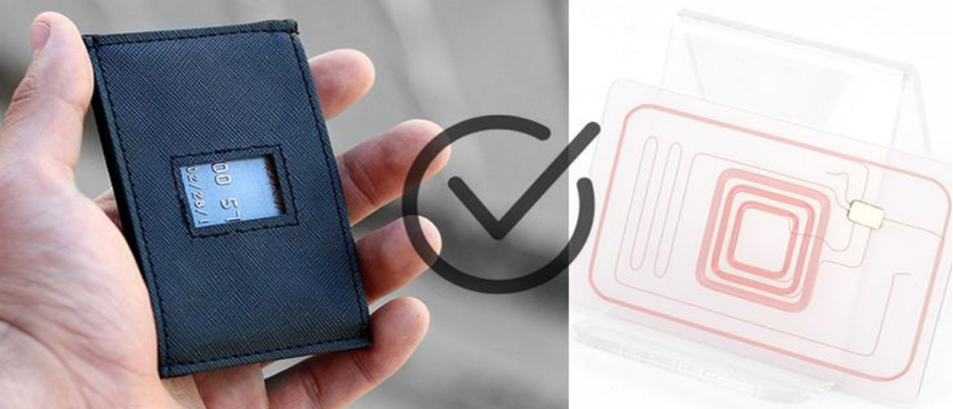
Before diving into the RFID definition, it’s important to apprehend the technological knowledge at the back of it. RFID, or radio frequency identification, routinely acknowledges and tracks tags affixed to items the usage of electromagnetic fields. An RFID reader may be used to examine the electronically recorded information on these tags remotely. The magic lies inside the communication among the tag and the reader, which happens through radio waves, making the manner rapid and green.
RFID generation works on the precept of electromagnetic coupling and backscatter. When an RFID reader emits a sign, the tag responds by using transmitting its particular records. Passive RFID tags harness electricity from the reader’s sign to strength up and transmit statistics, whilst lively RFID tags have an internal electricity supply, permitting them to transmit records over longer distances. This combination of performance and flexibility is what makes RFID so effective.

Exploring RFID System Types
Now that you recognize the RFID definition, allow’s explore the different system types. RFID systems are labeled into 3 categories based on frequency:
- Low-Frequency (LF) RFID: Operates at one hundred twenty five-134 kHz and is normally used for get entry to manage and animal tracking. LF RFID is known for its capability to penetrate water and metallic environments, making it best for particular niche applications.
- High-Frequency (HF) RFID: Works at thirteen.Fifty six MHz, perfect for packages like fee playing cards and library structures. HF RFID is widely used for quick-variety communication, supplying a stability between fee and performance.
- Ultra-High Frequency (UHF) RFID: Functions among 860-960 MHz, suitable for deliver chain management and asset monitoring. UHF RFID offers lengthy study tiers and rapid records transfer quotes, making it the favored choice for commercial programs.
Each type performs a unique role, enhancing efficiency throughout various industries. The preference of frequency relies upon on the surroundings, object length, and distance necessities for studying the tags.

Key Parts of an RFID Setup
A right RFID definition isn’t entire without expertise its key components. An RFID setup incorporates three main additives:
- RFID Tags: are connected to gadgets for identity. Each tag has a completely unique identifier. Tags may be passive, lively, or semi-passive, depending on their power supply and variety skills.
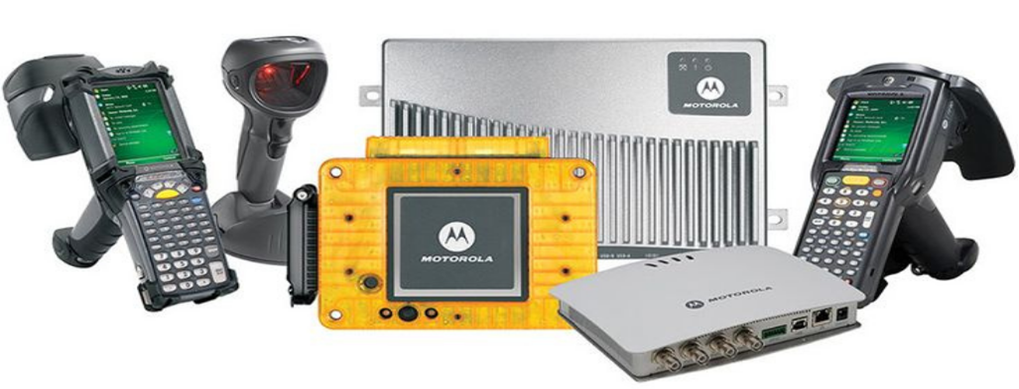
- RFID Reader: use radio waves to capture facts from tags. Readers can be handheld, constant, or cellular, depending at the use case.
- Antenna: permits the tag and the reader to talk. The antenna’s length and shape range in keeping with the frequency and variety required.
These parts paintings seamlessly to offer accurate and actual-time information series. Additionally, middleware software program acts because the bridge among the RFID hardware and the valuable database, making sure easy facts integration.

Core Components of RFID
Diving deeper into the RFID definition, it’s crucial to highlight the middle components of RFID era:
- Integrated Circuit (IC): The brain of the RFID tag, chargeable for storing and processing information.
- Memory: Holds the specific identifier and other applicable records. Memory length varies depending on the tag’s use case.
- Power Source: Passive tags derive electricity from the reader, even as energetic tags have built-in batteries, extending their variety and abilities.
- Reader Antenna: Ensures right signal transmission and reception, impacting read accuracy and variety.
Understanding those additives enables in appreciating how RFID systems characteristic effectively, bridging the gap among physical objects and digital systems.
Where RFID Is Making a Difference in 2025
In 2025, the RFID definition extends past mere identification. It has grow to be a game-changer throughout industries:
- Retail: Inventory management is greater unique, reducing stockouts and robbery. Smart cabinets mechanically replace inventory ranges in real time.
- Healthcare: Patient monitoring, medicinal drug management, and device tracking have reached new heights of accuracy. RFID wristbands ensure seamless affected person identity and protection.
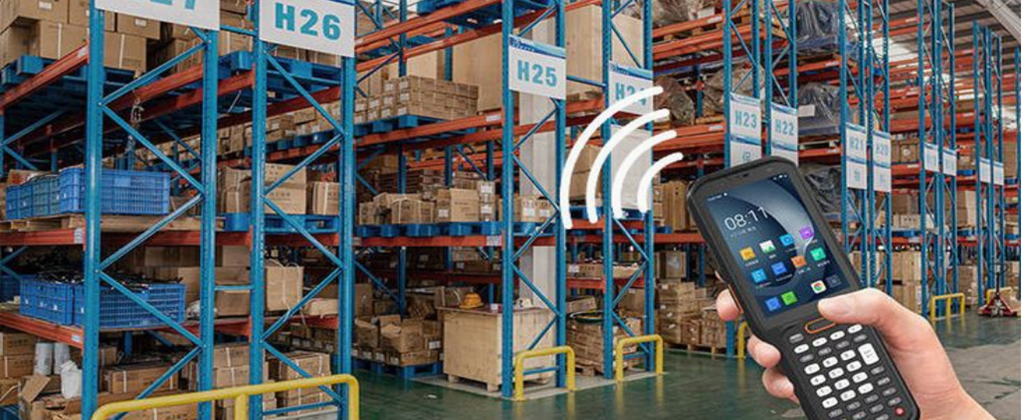
- Logistics and Supply Chain: Real-time monitoring of products complements transparency and reduces delays. Shipment tracking is now correct down to the package deal degree.
- Agriculture: Livestock monitoring and crop tracking enhance productiveness. RFID ear tags for animals simplify breeding control and ailment manipulate.
- Aerospace and Automotive: Tracks elements all through the manufacturing process, enhancing fine control and lowering human mistakes.

Why RFID Matters: Advantages and Limitations
The RFID definition wouldn’t be complete without weighing its pros and cons.
Advantages:
- Accuracy: Provides real-time tracking and minimizes human error.
- Efficiency: Speeds up processes like inventory checks and asset tracking .
- Security: Enhances access control and prevents unauthorised entry.
- Data Storage: RFID tags can store more data compared to barcodes, enhancing traceability.
- Durability: RFID tags withstand harsh environments, ensuring long-term use.
Limitations:
- Cost: Initial setup can be expensive.
- Interference: Metals and liquids can disrupt signals, posing challenges in certain environments.
- Privacy Concerns: Unauthorized scanning poses a security risk, raising concerns about data protection.
- Standardisation: Different regions follow varying frequency standards, complicating global implementation.
Conclusion
Understanding the RFID definition is now not only for tech lovers. In 2025, RFID are shaping industries and streamlining processes throughout the globe. From retail to healthcare, its programs are tremendous and impactful. As we circulate ahead, embracing this era will only lead to extra efficiency, safety, and innovation.
By now, you ought to have an intensive draw close of the RFID definition and its importance. Whether you’re a newbie or an expert, the destiny of RFID is here, and it’s reworking the way we interact with the sector. Ready to dive deeper? Keep exploring the world of RFID and stay beforehand of the curve!
Simplify your tracking and data management with AIDC Technologies. Get the right RFID solution tailored to your needs today.