Table of Contents
Toggle
Electronic Article Surveillance (EAS) is a widely used anti-theft system designed to prevent shoplifting in retail stores. If you've ever heard an alarm go off as someone exits a store, you've likely witnessed an EAS system in action. These systems work by detecting unpaid merchandise concealed in pockets or bags. Electronic Article Surveillance typically consists of two key components: antennas placed at store entrances and exits, and specially designed tags or labels attached to merchandise. When an item with an active tag passes through the antennas without being deactivated or removed at checkout, the system triggers an alert, helping store owners prevent theft and minimize losses.
Electronic Article Surveillance antennas, also called pedestals, are placed at store entrances to catch stolen items. They work by sending and receiving signals within a set range, usually about six to eight feet. Items in the store have EAS tags or labels attached to them. If someone tries to leave with an item that still has an active tag, the antennas detect it and set off the alarm. To avoid false alarms, store cashiers remove or deactivate these tags when customers pay for their purchases. This simple system helps stores prevent theft and protect their merchandise.
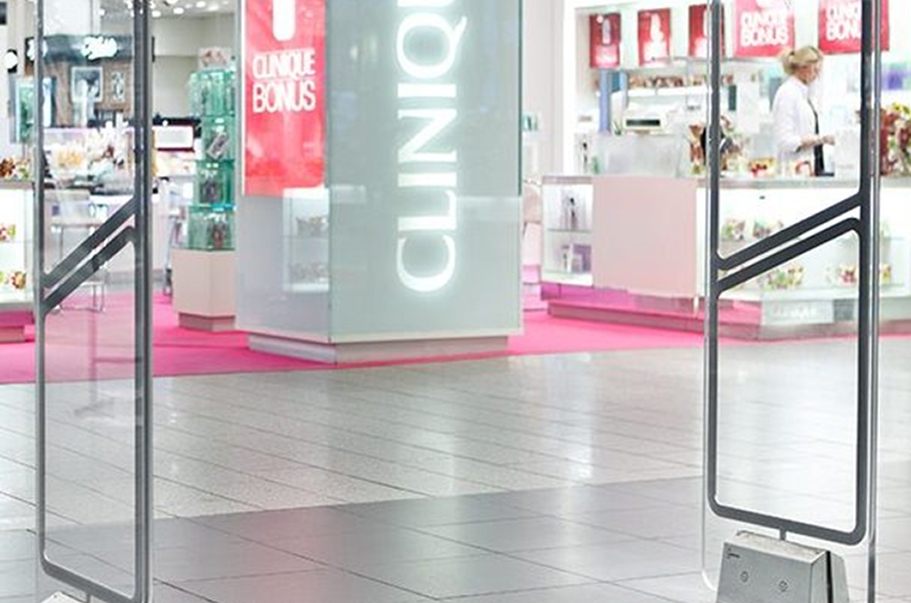
Basic Types of Electronic Article Surveillance (EAS) Systems
EAS (Electronic Article Surveillance) was invented in 1966 by American inventor Arthur Minasy. Over the years, the technology has improved, and different versions have come and gone. Today, the two most commonly used Electronic Article Surveillance systems are AM (Acousto-Magnetic) and RF (Radio Frequency).
The main difference between them is the frequency they operate on—AM systems use 58 kHz, while RF systems use 8.2 MHz. To the average person, they look almost identical, but they work differently. A deep technical explanation isn’t needed for most retailers, but knowing the basics can help them choose the right system for their store.
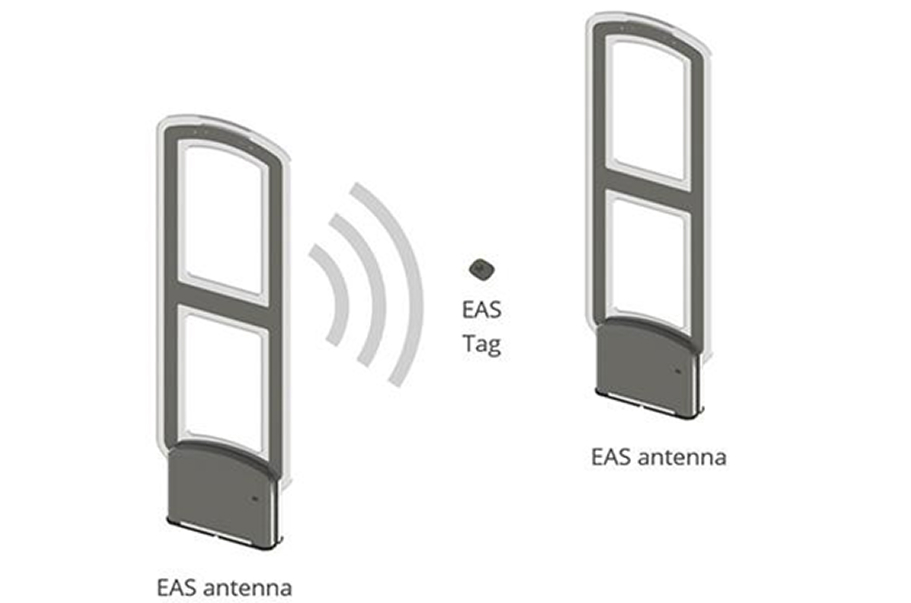
How EAS Tags Work and Why Stores Choose AM or RF Systems
The most important thing to know about Electronic Article Surveillance tags is that they only work with the Electronic Article Surveillance system they are made for. AM systems can only detect AM tags, and RF systems can only detect RF tags. It doesn’t matter if the tags and the system come from different brands—as long as they use the same frequency, they will work together.
Most retail chains stick to one type of Electronic Article Surveillance (AM or RF) in all their stores. This makes things easier and prevents mix-ups, like sending the wrong tags to a store.
AM systems are easy to install, reliable, and not affected by radio or magnetic interference. Many retailers, especially clothing stores, prefer AM systems because they work well with a variety of tag types. However, one downside is that AM systems don’t support thin, flexible labels, which makes them less ideal for products like food packaging that need simple sticker-style labels.

RF (Radio Frequency) systems need careful setup to work properly. If they aren’t installed correctly, they can cause false alarms. But when properly tuned, RF systems are just as effective as AM systems. One big advantage of RF systems is that they work with thin, flexible labels, making them a great choice for grocery stores, cosmetics shops, and other retailers where bulky plastic tags wouldn’t be practical.
There’s also another system called RFID (Radio Frequency Identification). While it’s sometimes used for security, it’s not exactly the same as an Electronic Article Surveillance system. The main difference is that RFID tags can store and send detailed information about a product. For example, while AM and RF systems can only detect that a tag is passing through the exit, an RFID system can tell that the item is a pair of Levi’s jeans, dark blue, size 34. This makes RFID useful for inventory tracking as well as security. We’ll cover RFID in more detail in a future discussion.
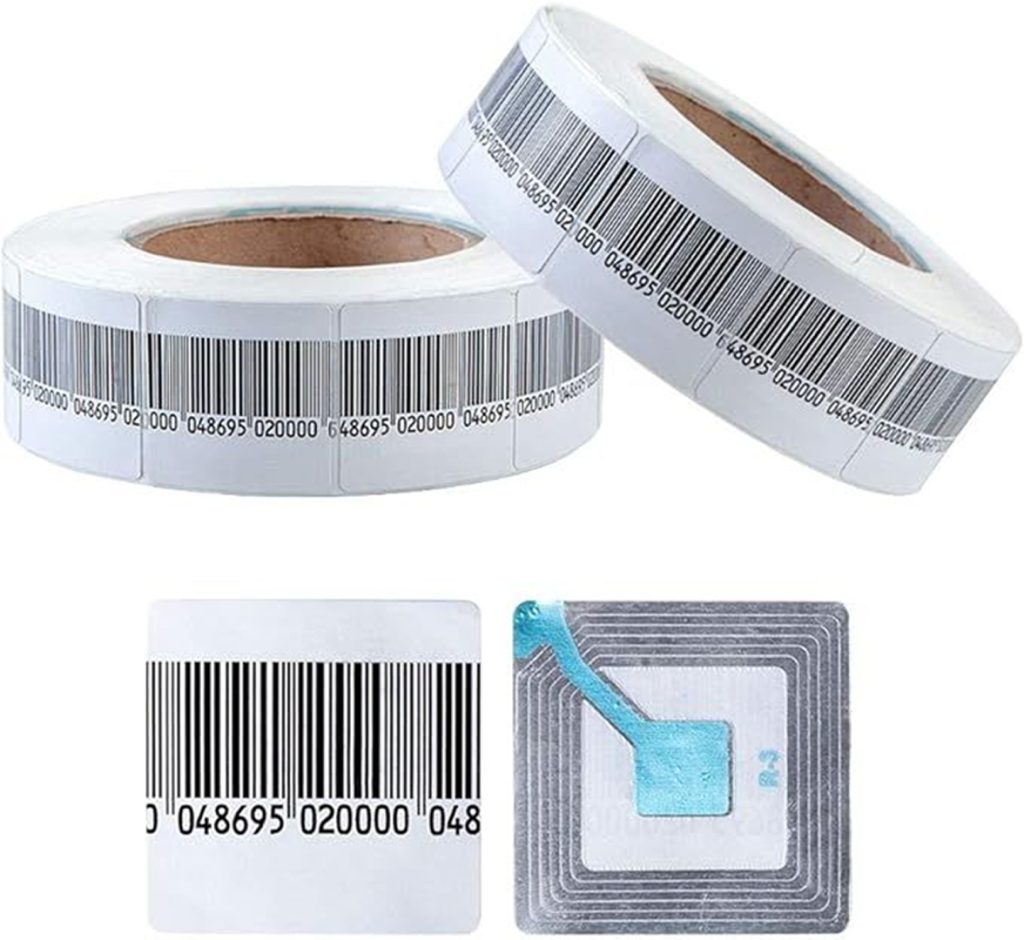
EAS Tags and Labels: Basic Types
EAS tags(Electronic Article Surveillance) and labels help prevent shoplifting, but they come in different forms.
- EAS tags are small plastic devices attached to items like clothing or accessories. They are reusable and need to be removed at checkout.
- EAS labels are thin stickers with a hidden security circuit inside. They are often used on packaged goods, electronics, and other items where a plastic tag isn’t practical.
Tags can look the same on the outside, but they work on either AM or RF systems—not both. Some tags are basic and only trigger an alarm if someone tries to leave the store with them. Others, called self-alarming tags, have a built-in battery and will sound an alarm if someone tampers with them. These are often used for expensive or high-theft items.
Labels also differ by system type. AM labels are typically thin, plastic-like strips, often seen on electronics packaging. RF labels, however, come in many shapes, sizes, and colors. Some even look just like regular price stickers, with a hidden security circuit underneath.
How EAS Tags and Labels are Removed or Deactivated
When you purchase an item with an EAS security tag, the cashier removes it using a special tool called a detacher, usually placed at the counter. These hard plastic tags are reusable and can last for many years. Self-alarming tags, which contain internal batteries, typically function for 2–3 years before needing replacement.
EAS labels work differently—they are not removed but deactivated. This is done by passing the item over a deactivator pad at checkout, which turns off the label’s security circuit. In many modern stores, the deactivator is built into the barcode scanner, so scanning the item also disables the label at the same time. AIDC Technologies provides reliable EAS tag and label solutions that integrate smoothly with today’s retail checkout systems, ensuring fast, secure transactions.

One Electronic Article Surveillance Technology, Many Uses
EAS security systems come in different shapes and sizes to fit different store needs. The most common type is the pedestal-style system, where antennas stand at the store entrance. But some stores use hidden systems placed in the floor, ceiling, or even inside the door frame for a more discreet setup.
EAS tags also come in many forms. There are simple pin tags and lanyard tags used for clothing, handbags, and accessories. But there are also special tags designed for specific products, like golf clubs, liquor bottles, eyewear, boxed merchandise, shoes, and even waterproof items. No matter the product, there’s likely an EAS tag designed to protect it!
As technology advances, Electronic Article Surveillance systems keep getting better. New designs are always being introduced, and existing ones are constantly improved. Modern EAS systems don’t just prevent theft—they can also track store traffic, helping retailers understand how many people enter and exit throughout the day. Some systems can even be accessed remotely for troubleshooting, so technicians don’t always have to visit the store in person.
Electronic Article Surveillance tags have also evolved to outsmart shoplifters. They are now more tamper-resistant and easier for the system to detect. Some even have hidden ink that spills if someone tries to forcefully remove the tag, ruining the stolen item.
While Electronic Article Surveillance technology has been around for years, it continues to prove itself as a reliable and effective tool for preventing theft. With constant innovation, it’s clear that EAS will remain an important part of retail security for years to come.
Conclusion
Electronic Article Surveillance (EAS) remains one of the most effective tools for preventing theft in retail environments. With systems that are easy to use, reliable, and adaptable, EAS helps protect merchandise while improving store efficiency. From clothing stores to supermarkets, these systems offer flexible solutions using tags and labels suited to different products. As technology continues to evolve, EAS is becoming even smarter—offering not just security but also valuable insights into customer behavior and store traffic. Investing in a strong EAS setup helps businesses reduce losses, improve customer trust, and stay ahead in today’s competitive market.
Secure your retail space with AIDC Technologies’ advanced EAS solutions that help prevent theft and protect your inventory. Get in touch today to upgrade your store’s security with reliable, easy-to-use systems.
Top 5 FAQs on Electronic Article Surveillance (EAS)
1. What is Electronic Article Surveillance (EAS)?
EAS is a security system that detects unpaid items leaving a store using tags and sensors at exits.
2. How does an EAS system work?
EAS tags or labels are attached to products and are detected by antennas at the store’s exit if not removed or deactivated.
3. What’s the difference between AM and RF systems?
AM systems use 58 kHz and work well with harder tags; RF systems use 8.2 MHz and support thinner, flexible labels.
4. Can EAS tags be reused?
Hard tags can be reused and taken off at the point of sale, however labels are often used only once and deactivated at the time of purchase.
5. Why choose AIDC Technologies for EAS?
AIDC offers reliable, modern EAS solutions tailored to your store’s needs, ensuring better security and smoother operations.