Table of Contents
Toggle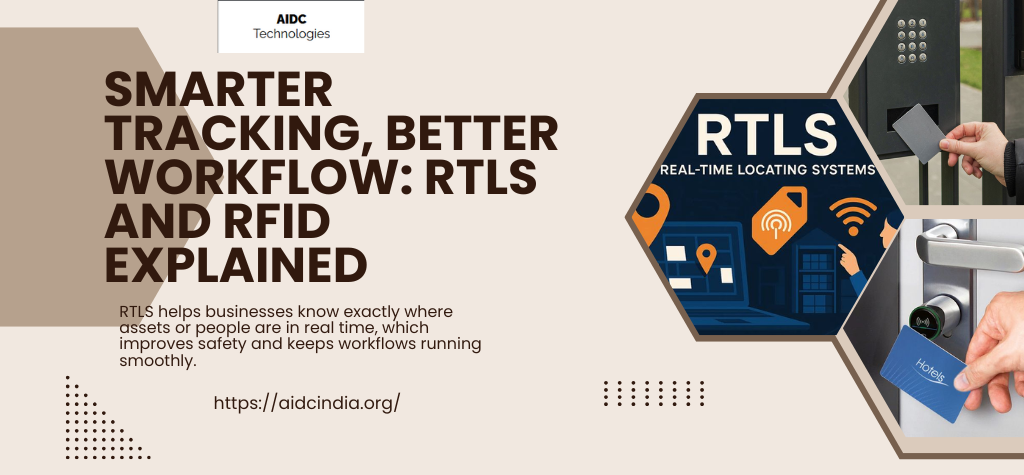
In today’s highly competitive business landscape, enhancing operational efficiency is no longer optional—it’s essential. One of the smartest ways to achieve this is by integrating RTLS (Real-Time Location Systems) and RFID Definitions (Radio Frequency Identification) technologies into your operations. These tools offer powerful tracking and automation capabilities that improve asset visibility, minimise errors, and cut down operational costs. This blog explores how RTLS and RFID Definitions work together to drive process optimisation across industries.
What is RTLS (Real-Time Location System)?
Businesses may identify and track the position of assets, equipment, or even people in real time with the use of RTLS, a smart technology. It’s commonly used in industries like healthcare, logistics, warehousing, and manufacturing to monitor the movement of items and ensure optimal resource utilisation. With RTLS, companies attach tags to assets or individuals, and sensors collect and transmit location data. This data allows managers to make faster, more informed decisions—reducing delays, preventing losses, and streamlining operations.
Key Benefits of RTLS for Businesses
- Operational Efficiency: RTLS automates tracking, removing the need for manual checks and reducing human error.
- Full Visibility: Know where every asset is at any moment, improving control over inventory and workflows.
- Smarter Resource Use: Avoid underutilization or duplication of assets by tracking resource usage in real time.
- Cost Savings: Less downtime, fewer misplaced items, and faster operations all contribute to lower operational costs.
What is RFID (Radio Frequency Identification)?
RFID Definitions refers to a technology that uses electromagnetic fields to identify and track tagged objects automatically. Unlike barcodes, RFID does not require a direct line of sight and can scan multiple tags simultaneously, even from a distance. RFID is used across industries—from retail and healthcare to automotive and logistics—for tasks like inventory management, security, access control, and product tracking.
How RFID Definitions Enhances Business Processes
- Inventory Automation:RFID simplifies stock counts and updates inventory in real time, improving accuracy and reducing labour.
- Real-Time Supply Chain Monitoring: Track shipments, containers, and goods throughout your supply chain without delays.
- Improved Security: RFID makes it easy to monitor high-value assets and prevent unauthorised movement.
- Better Data for Decisions: With detailed, real-time information, businesses can plan more effectively and reduce waste.
RTLS and RFID Definitions: Better Together
While each technology is effective on its own, combining RTLS with RFID provides a complete solution for real-time asset tracking and inventory visibility. RFID tags store essential data, while RTLS shows where the tagged item is located—right now. Together, they allow you to:
- Track assets across large facilities
- Improve supply chain performance.
- Reduce inventory discrepancies
- Make faster, more accurate business decisions.
Why These Technologies Matter for Business Growth
Implementing RTLS and RFID Definitions can significantly transform how your business operates. With real-time data and automation, RFID Definitions help eliminate inefficiencies, improve customer satisfaction, and enable quicker responses to changing market demands. Ultimately, these technologies lead to higher productivity, smarter resource management, and a healthier bottom line.
Important Factors Before Implementation
- Choose the Right Tech:Your environment and industry needs will determine whether passive or active RFID or a specific RTLS solution is the best fit.
- Cost vs. Benefit:Though there is an initial investment, the long-term benefits in labour savings and efficiency usually outweigh the cost.
- System Integration: Ensure your new tech works well with your current software platforms, like ERP or warehouse systems.
- Train Your Team: A successful rollout depends on staff understanding how to use the tools correctly. Protect the real-time data your system gathers with proper encryption and security protocols.
Conclusion
Technologies like RTLS and RFID Definitions are transforming how companies track inventories, manage assets, and streamline processes. These tools bring automation, accuracy, and intelligence into daily operations. Whether you're in healthcare, manufacturing, logistics, or retail, adopting RTLS and RFID Definitions can give your business a competitive edge. AIDC Technologies India offers expert guidance to help you select, implement, and optimise these technologies for maximum operational value.
Ready to Modernise Your Business? Contact Now with AIDC Technologies India and let our experts help you streamline your operations using RTLS and RFID Definitions. Get real-time visibility, reduced expenses, and improved management right now!
FAQs: RTLS and RFID Definitions Explained
- Q1. What’s the difference between RTLS and RFID?RTLS provides real-time location tracking of assets or people.RFID Definitions is about identifying and tracking objects using radio waves. RTLS often uses RFID technology to collect location data.
- Can RFID work without RTLS? Yes, RFID can work independently for identification and inventory tracking. However, combining it with RTLS adds real-time location data.
- Q3. Is RFID suitable for my business? Absolutely! Whether you manage a warehouse, hospital, or retail store, RFID Definitions enhances visibility and tracking across sectors.
- How much does it cost to implement these systems? Costs vary based on the scope and scale. AIDC can provide custom estimates and help ensure a strong ROI through system optimisation.
- Q5. How do these technologies help in supply chain management? RTLS and RFID Definitions streamline inventory tracking, reduce delays, improve accuracy, and allow for better planning throughout your supply chain.