
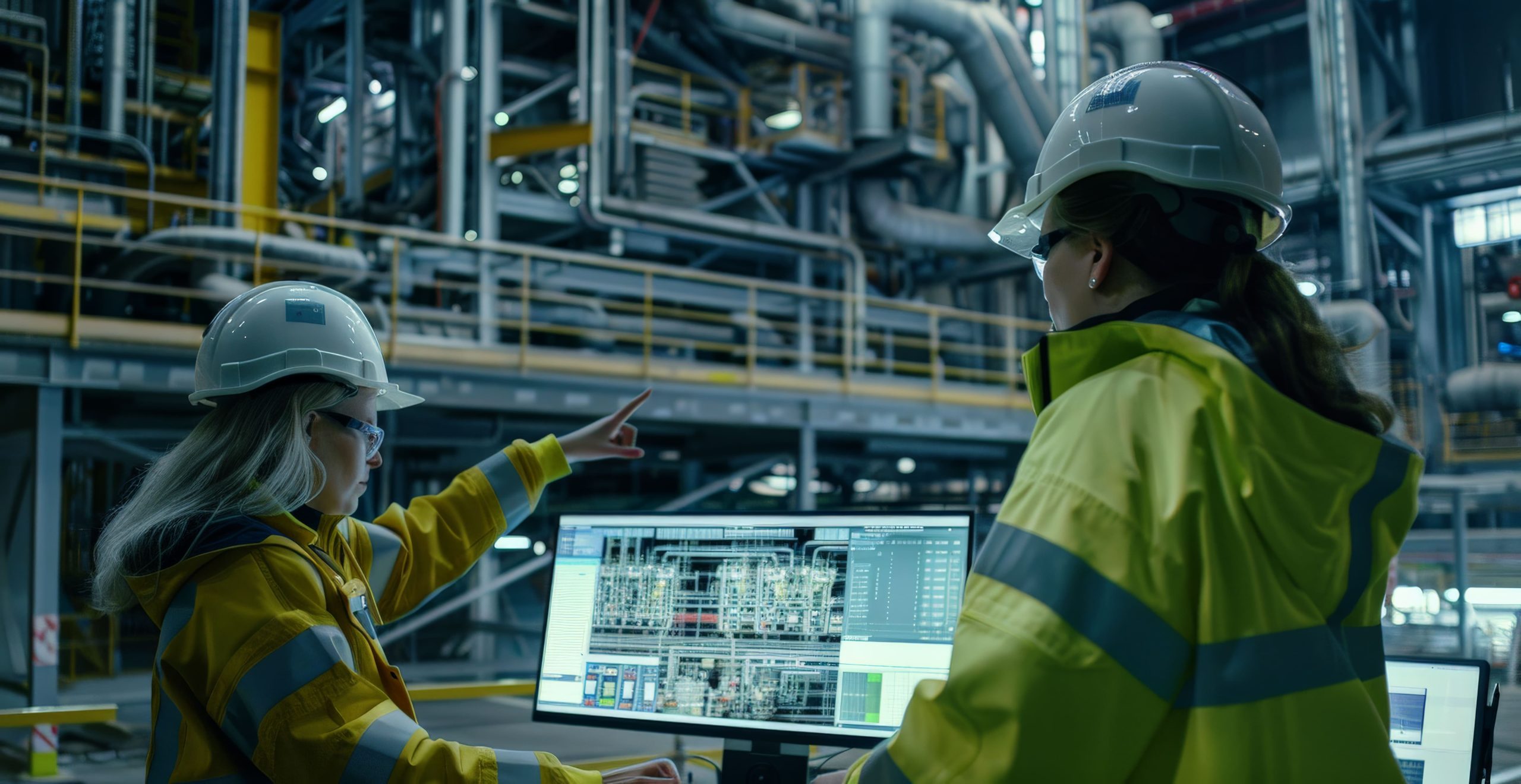
Unveiling the Secrets of Track and Trace: A Definitive Guide
In a global economy characterized by rapid movement and intricate supply chains, the ability to track and trace products from origin to destination has become paramount. Track and trace systems not only enhance operational efficiency but also foster consumer trust and regulatory compliance. This definitive guide delves into the core concepts of track and trace, highlighting its significance, components, industry applications, challenges, and future trends.
Understanding Track and Trace
Definition of Track and Trace
Track and trace systems encompass a suite of processes and technologies designed to monitor the movement of products throughout the supply chain. This involves detailed documentation at each stage, from production and shipping to delivery and post-sale.
Significance of Track and Trace
- The importance of track and trace systems is multifaceted:
- Visibility: They provide real-time insights into product location and status.
- Regulatory Compliance: Ensure adherence to industry regulations governing product safety and quality.
- Consumer Trust: Enhance transparency, assuring consumers of product authenticity and safety.

Key Components of Track and Trace Systems
- Data Capture Technologies
- Barcodes
Barcodes serve as a foundational technology for data capture, enabling efficient scanning and information retrieval. They are cost-effective and easy to implement across various industries.
- RFID (Radio Frequency Identification)
RFID technology utilizes electromagnetic fields for automatic identification and tracking of tags attached to objects. This technology allows for real-time tracking without requiring a direct line of sight, increasing operational efficiency.
- IoT Devices
The Internet of Things (IoT) refers to interconnected devices that communicate data. IoT sensors can monitor essential parameters like temperature and humidity in track and trace applications, giving crucial information about the integrity of the goods.
Software Solutions
- Enterprise Resource Planning (ERP)
ERP systems integrate various business functions, offering a holistic view of operations that is essential for effective track and trace management.
- Supply Chain Management (SCM) Software
SCM software is specifically designed to oversee the flow of goods and information within the supply chain, facilitating seamless track and trace capabilities.
- Blockchain Technology
Blockchain technology provides a decentralized and secure method for documenting transactions and product histories, significantly enhancing transparency and trust among stakeholders.

Industry Applications of Track and Trace
Healthcare
Track and trace systems are essential in the healthcare industry since they help with:
- Counterfeit Prevention: Verifying the authenticity of pharmaceuticals to safeguard public health.
- Patient Safety: Ensuring accurate tracking of medical devices and medications throughout their lifecycle.
Food and Beverage
The food industry heavily relies on real-time Real-time Tracking and Tracing solutions solutions for:
- Safety and Compliance: Quickly identifying contaminated products during recalls, thereby protecting consumers.
- Transparency: Giving customers thorough details on the provenance and path of their food.
Manufacturing
In manufacturing, Real-time Real-time Tracking and Tracing solutions contribute to:
- Quality Control: Monitoring production processes to uphold quality standards.
- Inventory Management: Streamlining the tracking of raw materials and finished goods throughout the production lifecycle.
Logistics and Transportation
Logistics firms employ Real-time Tracking and Tracing solutions to:
- Real-Time Shipment Tracking: Monitoring the status of shipments in transit, enhancing operational efficiency.
- Customer Service Enhancement: Offering accurate delivery updates to clients, improving overall service quality.
Implementing a Track and Trace System
- Assessing Organizational Needs
Before implementing Real-time Tracking and Tracing solutions, organizations should thoroughly evaluate their objectives and current processes to determine specific needs and requirements.
- Selecting Appropriate Technology
Selecting the appropriate technology requires giving serious thought to:
- Budget Constraints: Assessing financial resources available for implementation.
- Scalability: The ability of the system to expand along with the company.
- Compatibility: Confirming that new technologies will integrate seamlessly with existing infrastructure.
Training and Change Management
Successful implementation requires effective training and change management strategies:
- Employee Training: Providing staff with the knowledge and skills necessary to utilize the new system effectively.
- Change Management: Preparing the organization for shifts in processes and ensuring smooth transitions.
Challenges in Track and Trace Implementation
Data Security Concerns
Protecting sensitive information is critical in Monitor and Trace systems:
- Cybersecurity Threats: Systems can be vulnerable to hacking and data breaches.
- Regulatory Compliance: Organizations must navigate complex data protection regulations, such as GDPR.
Integration Difficulties
Integrating new technologies with existing systems can present significant challenges:
- Interoperability Issues: Ensuring seamless communication between different systems.
- Training Requirements: Additional training may be necessary for staff to manage new integrations effectively.
Cost Implications
Implementing a Monitor and Trace system can entail considerable investment:
- Initial Costs: Upfront expenses related to technology acquisition and training can be substantial.
- Ongoing Maintenance: Organizations must budget for continuous support and upgrades to the system.
Future Trends in Track and Trace
The Role of Blockchain
Blockchain technology is set to revolutionize track and trace by providing a secure, transparent, and tamper-proof method for recording product movements. All supply chain participants are more trusting of each other because of its decentralized structure.
The Impact of AI and Machine Learning
Artificial intelligence and machine learning are enhancing monitor and Trace capabilities by:
- Predictive Analytics: Utilizing historical data to forecast demand and identify potential issues before they escalate.
- Automated Data Processing: Streamlining data analysis, leading to quicker decision-making.
Emphasis on Sustainability
Consumers are increasingly demanding transparency regarding sustainability practices. Track and trace systems can offer insights into the environmental impact of products, encouraging brands to adopt greener initiatives.
Case Studies
- Pharmaceutical Industry Case Study
A leading pharmaceutical company implemented a robust track and trace system, resulting in a significant reduction in counterfeit drugs within its supply chain. This not only improved patient safety but also bolstered the company’s reputation.
- Food Industry Case Study
A major food manufacturer adopted an advanced traceability system that enabled rapid identification of contamination sources, effectively minimizing the impact of product recalls and preserving consumer trust.
Best Practices for Successful Track and Trace Implementation
- Start Small and Scale Up
Organizations should consider beginning with a pilot program to test the effectiveness of their chosen system before expanding to larger operations.
- Engage Stakeholders Early
It is ensured that the new system will receive more support and acceptability when all pertinent stakeholders are included in the development and implementation stages.
- Monitor Performance Continuously
Regularly assessing the performance of the track and trace system allows organizations to identify areas for improvement and make necessary adjustments to enhance efficiency.
Conclusion
Track and trace systems are vital for organizations aiming to enhance operational efficiency, ensure compliance, and build consumer trust. By understanding the components, benefits, and challenges associated with these systems, businesses can successfully implement solutions that improve their operations and secure their products. As technology continues to evolve, the future of track and trace holds exciting potential for innovation and growth.