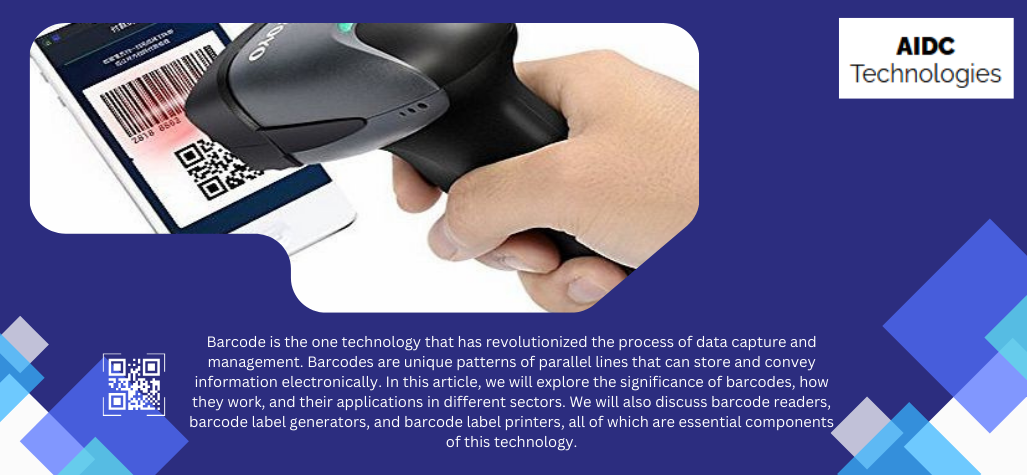
A barcode scanner is an electronic device that reads and decodes barcodes printed on products, packages, or labels. These scanners convert the black and white lines of a barcode into a digital format that a computer or system can process. The data extracted typically includes product details, price information, and inventory tracking codes.
Barcode scanners are essential tools in modern business operations. They simplify processes like billing, inventory management, and logistics tracking. They increase speed, lower the possibility of human error, and boost overall operational effectiveness.
How Does a Barcode Scanner Work?
A barcode scanner works by illuminating the barcode with a laser or LED light and capturing the reflected light through sensors. The light patterns are then converted into electrical signals, which are decoded into meaningful information using software. These decoded details are sent to the connected computer or system for further processing.
There are different types of barcodes based on their working mechanisms, including:
Laser Scanners: Use laser beams to read barcodes. They are widely used in retail and logistics for their accuracy.
CCD Scanners: Employ hundreds of tiny light sensors to read barcodes. They are durable and suitable for static barcode reading.
Image-based Scanners: Use a camera to capture the barcode and decode the image using software.
 Uses of Barcode Scanners
Barcodes are versatile tools used across industries. Some of their prominent uses include:
1. Retail
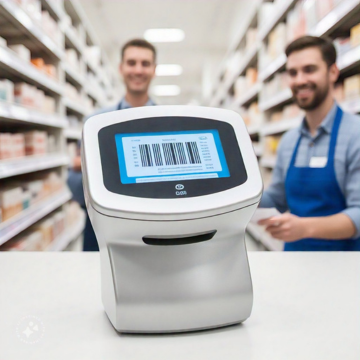
Barcode scanners are indispensable in the retail sector. They enable quick and accurate billing by scanning product barcodes, retrieving prices, and applying discounts. This improves checkout speed and reduces customer wait times. Barcodes also help track inventory, ensuring stock availability and minimising losses due to overstocking or understocking.
2. Logistics and Supply Chain
In logistics, barcode scanners streamline the tracking of shipments and deliveries. By scanning barcodes, businesses can monitor the movement of goods from warehouses to delivery destinations, ensuring timely and accurate updates.
3. Inventory Management
Barcode scanners simplify inventory management by automating data collection. Scanning barcodes during stock audits helps businesses maintain accurate inventory records. This eliminates the need for manual counting and minimises errors.
4. Healthcare
In the healthcare industry, barcodes are used to track patient records, medication details, and medical equipment. They help ensure that the right patient receives the correct treatment or medication.
5. Warehousing
Barcodes improve the efficiency of warehouse operations. They assist in tracking items, optimising picking and packing processes, and managing stock levels.
 Advantages of Utilising Barcode Scanners
Implementing barcode scanners offers several advantages:
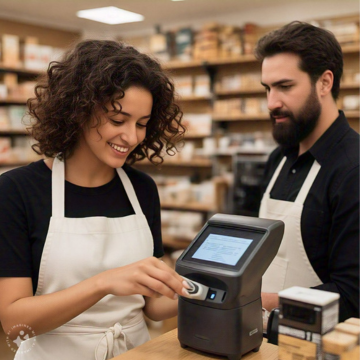
Accuracy: By eliminating manual data entry, barcodes reduce errors, ensuring precise information recording.
Speed: Scanning barcodes is faster than manual input, accelerating processes like checkout and inventory updates.
Cost-Effective: Despite the initial investment, barcodes reduce labour costs and improve productivity.
Real-Time Data: Barcodes provide up-to-date information on stock levels, shipments, and sales, enabling informed decision-making.
Versatility: From retail to healthcare, barcodes serve multiple purposes, making them indispensable across industries.
Types of Barcode Scanners
Barcode scanners come in various types, each suited for specific applications:
1. Handheld Barcode Scanners
These are the most common type of scanners, used in retail stores and warehouses. They are portable and user-friendly.
2. Fixed Mount Barcode Scanners
These scanners are stationary and are often used in conveyor belts or self-checkout systems.
3. Wireless Barcode Scanners
Connected via Bluetooth or Wi-Fi, these scanners provide mobility, making them ideal for large warehouses or outdoor applications.
4. Mobile Barcode Scanners
Integrated into smartphones or handheld computers, these scanners are used in field operations like delivery tracking.
How Barcode Scanners Are Changing Industries
The advent of barcodes has revolutionised many industries. In retail, they have streamlined sales operations and inventory control. In logistics, they enable real-time tracking of goods, enhancing supply chain transparency. Healthcare facilities rely on barcodes to improve patient safety and ensure proper medication administration.
Moreover, advancements in barcode technology, such as QR codes and RFID integration, have further expanded the capabilities of barcodes. More quickly than ever before, modern scanners can process data and read 2D barcodes.
 Choosing the Right Barcode Scanner
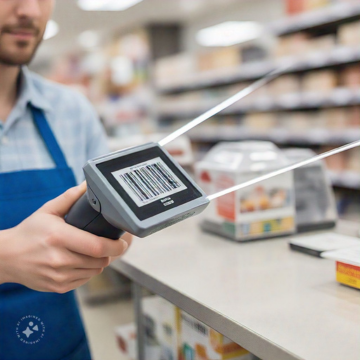
When selecting a barcode, businesses should consider the following factors:
Type of Barcode: Ensure the scanner can read the specific type of barcode used in your operations (e.g., 1D or 2D).
Environment: For outdoor or rugged use, choose a durable scanner designed for harsh conditions.
Connectivity: Decide between wired and wireless scanners based on your mobility requirements.
Budget: Select a scanner that balances features and cost without compromising quality.
Conclusion
Scanning devices are more than just tools for reading data—they are essential business assets. They automate data entry, boost speed, and ensure accuracy in daily operations. From retail to healthcare, these devices drive modern-day efficiency.
AIDC Technologies India delivers a wide range of scanning solutions customised to your industry requirements. Whether you operate in logistics, retail, or healthcare, AIDC empowers your workflow with reliable, future-ready technology.
Book Now with AIDC Technologies India and upgrade your operations with cutting-edge scanning solutions.