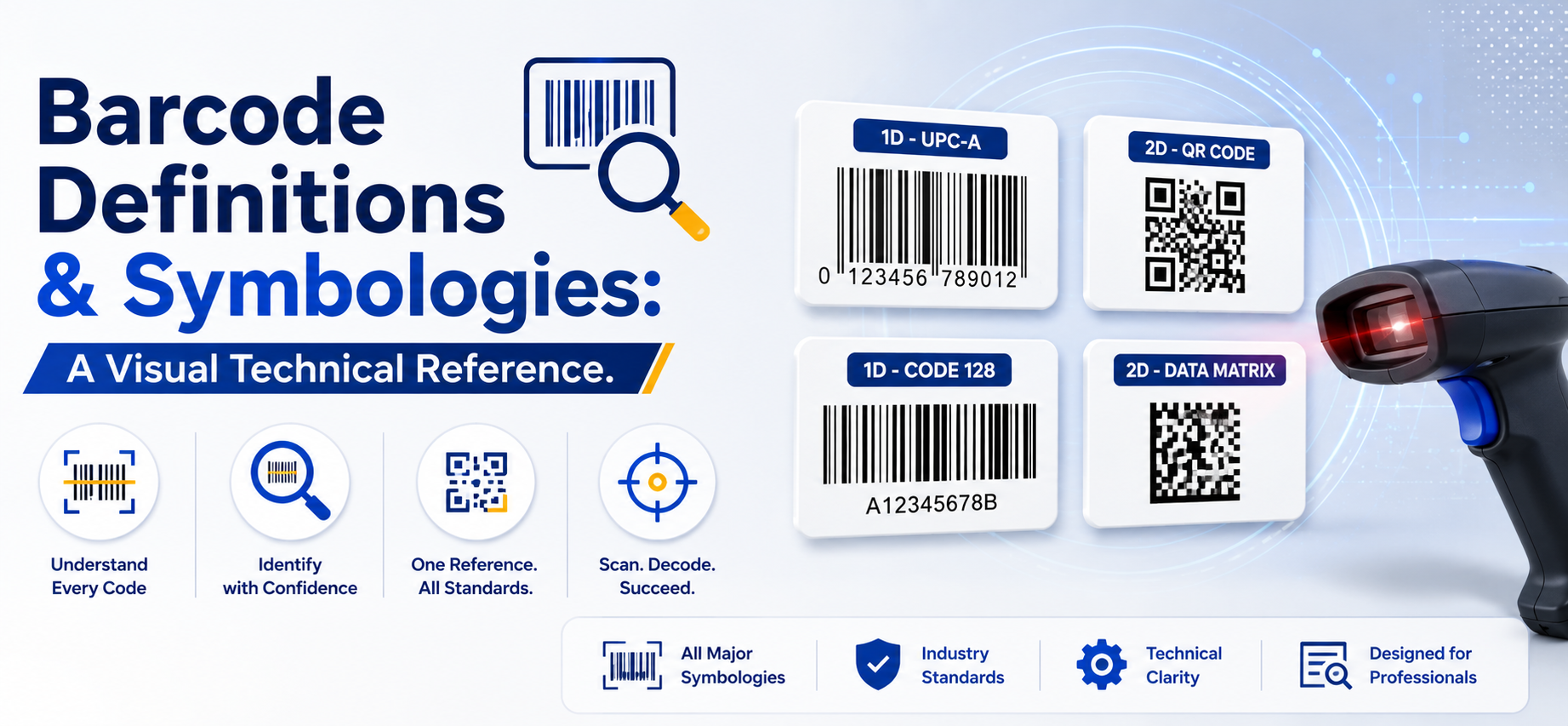
A barcode is an optical, machine-readable representation of data. By utilizing patterns of varying widths, shapes, and spacing, barcodes encode numbers and letters into a visual format that barcode scanners can instantly translate into digital information.
Understanding barcode definitions and terminology is essential for retail operations, logistics, software integration, and warehouse automation. While traditional 1D linear barcodes encode data using vertical lines, modern 2D barcodes use grids and geometric patterns to store significantly more information. Grasping these fundamental barcode terms ensures that organizations can implement reliable, scannable, and efficient tracking systems.
Fundamental Barcode Anatomy
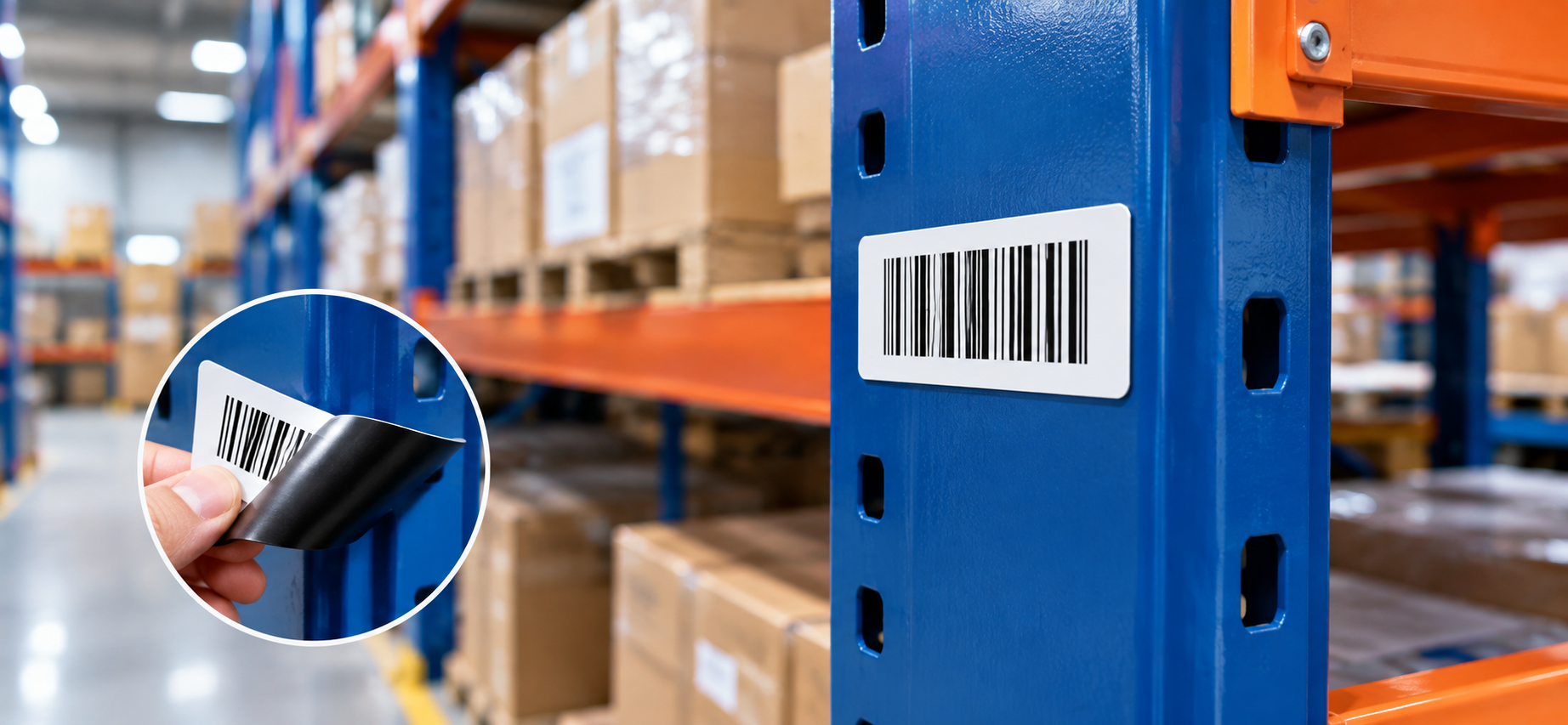
To properly integrate and print barcodes, you must understand their structural components.
- Start Character: A specialized pattern of bars and spaces indicating the beginning of the encoded data.
- Practical Use: Tells the scanner where to begin reading the barcode.
- Stop Character: A specific pattern signaling the end of the barcode.
- Practical Use: Instructs the scanner to stop reading and process the captured data.
- Quiet Zone: The blank, unprinted margin on either end of a barcode.
- Practical Use: Prevents surrounding graphics or text from interfering with the scanner’s reading process.
- Check Digit: A mathematically calculated character appended to the end of a barcode sequence.
- Practical Use: Validates that the barcode was scanned and decoded correctly, reducing read errors.
- Bars and Spaces: The physical, contrasting vertical elements (typically black and white) that make up a linear barcode.
- Practical Use: Absorbs and reflects the scanner’s light to translate optical patterns into digital characters.
- Data Encoding: The underlying logical rules mapping alphanumeric characters to specific visual patterns.
- Practical Use: Dictates exactly how a software program generates the barcode image.
Typical Linear Barcode Structure:
Quiet Zone → Start Character → Data Encoding Pattern → Check Digit → Stop Character → Quiet Zone
1D Linear Barcode Symbologies Defined
A barcode symbology is the specific standard or “language” used to encode the data.
UPC / UPC-A
UPC (Universal Product Code) and its most common variant, UPC-A, are standardized barcode formats used globally. They encode a fixed length of numeric characters to uniquely identify retail products at the point of sale.
EAN-13
EAN-13 is the European Article Number format. It is a superset of the UPC-A standard and encodes a 13-digit number. It is primarily used for global retail product identification outside of North America.
Code 39
Code 39 is a common alphanumeric linear barcode. It features a straightforward encoding structure capable of representing letters, numbers, and select special characters, making it highly popular for internal asset tracking and automotive applications.
Code 128
Code 128 is a highly dense, high-capacity alphanumeric linear barcode. Capable of encoding the entire ASCII character set, its efficiency makes it the global standard for logistics, shipping labels, and complex warehouse management systems.
Lorem ipsum dolor sit amet, consectetur adipiscing elit. Ut elit tellus, luctus nec ullamcorper mattis, pulvinar dapibus leo.
2D Barcode Symbologies Defined

Two-dimensional (2D) barcodes encode information vertically and horizontally, offering superior data capacity in smaller physical spaces.
QR Code
A QR (Quick Response) Code is a square 2D barcode known for fast readability. It is universally used in marketing, digital access, URL linking, and consumer product information due to its high data capacity and rapid scanning ability via smartphones.
Data Matrix
A Data Matrix is a highly compact 2D barcode easily recognized by its “L-shaped” finder pattern. Because it remains scannable at incredibly small sizes, it is the standard for electronics manufacturing, medical device tracking, and industrial asset tagging.
PDF417
PDF417 (Portable Data File) is a stacked linear 2D barcode. It visually resembles a dense stack of short linear barcodes and is widely used for encoding large amounts of data on ID cards, driver’s licenses, and transit boarding passes.
1D vs. 2D Barcodes
Feature | 1D Barcode | 2D Barcode |
Data structure | Linear, horizontal patterns | Grid-like, horizontal & vertical patterns |
Data representation | Narrow and wide bars | Squares, dots, and geometric shapes |
Appearance | Series of vertical lines | Pixelated squares or rectangles |
Scanning method | Laser scanners or optical imagers | Optical imagers and cameras only |
Common applications | Retail checkouts, basic inventory | Mobile tickets, asset tags, URL links |
Example symbologies | UPC-A, EAN-13, Code 128 | QR Code, Data Matrix, PDF417 |
Scanner & Printing Terminology
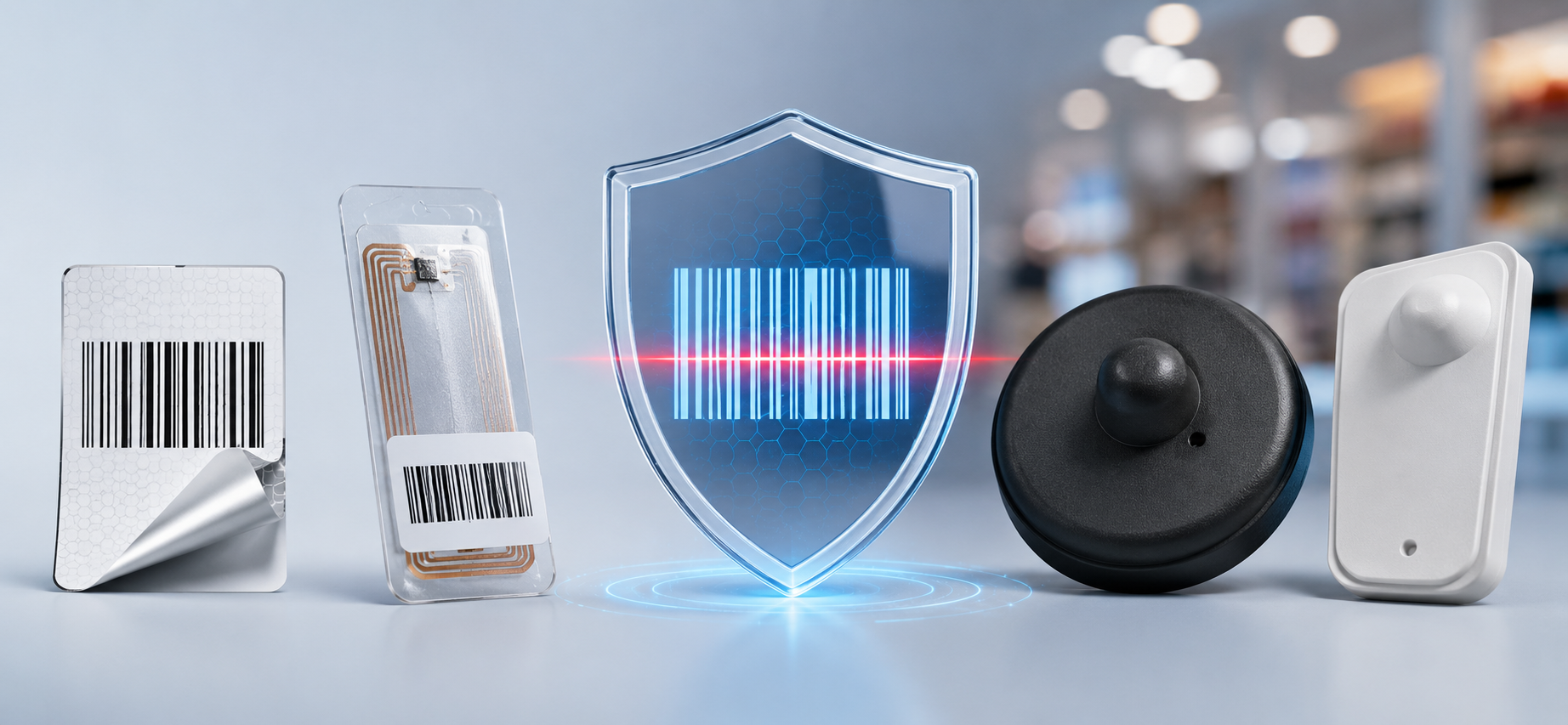
- Barcode Scanner: An optical device (laser or imager) that captures and decodes barcode symbols into computer-readable data.
- Barcode Printer: Specialized hardware designed to print precise, high-contrast barcode labels.
- Direct Thermal: A printing method that uses heat to activate chemically treated paper, ideal for temporary tracking labels.
- Thermal Transfer: A printing process using a heated ribbon to melt ink onto a label, producing highly durable, long-lasting barcodes.
- DPI (Dots Per Inch): A measurement of print resolution. Higher DPI ensures crisp bars and clear quiet zones for reliable scanning.
- Optical Resolution: The density of the optical sensor in a scanner, dictating its ability to read small or damaged barcodes.
- Scan Rate: The speed (scans per second) at which a barcode scanner emits light and processes data.
Lorem ipsum dolor sit amet, consectetur adipiscing elit. Ut elit tellus, luctus nec ullamcorper mattis, pulvinar dapibus leo.
Code 128 vs. Code 39 Barcode Definitions and Use Cases
When evaluating Code 128 vs Code 39 barcode definitions and use cases, the choice depends on your data and spatial requirements. Code 39 is older, widely supported, and easy to print, but its lower data density results in physically wider barcodes. It remains popular for basic internal tracking, automotive parts, and simple alphanumeric needs.
Code 128 is highly compressed and can encode the entire ASCII character set in a much smaller footprint. Because it takes up less physical space while storing complex information, Code 128 is the preferred standard for modern shipping, logistics, and robust business environments requiring detailed supply chain tracking.
About AIDC Technologies India

AIDC Technologies India provides advanced Automatic Identification and Data Capture solutions, including barcode, RFID, and related technologies, helping businesses improve inventory tracking, asset management, and operational efficiency.
Need reliable barcode solutions for your business? Contact AIDC Technologies India today.
Frequently Asked Questions
- What is a barcode in simple terms?
A barcode is a printed pattern of varied lines or squares that a computer scanner can read and instantly translate into text or numbers.
- What are barcode definitions and symbologies?
Barcode definitions clarify the technical components of a barcode, while a symbology is the specific standardized “language” (like UPC or QR) used to encode the data.
- What is the difference between 1D and 2D barcodes?
1D barcodes encode data horizontally in a single row of vertical lines, whereas 2D barcodes encode data both horizontally and vertically using a grid of squares, holding significantly more information.
- What is a UPC-A barcode?
A UPC-A barcode is a standard 12-digit linear barcode used globally to identify retail products at point-of-sale checkout registers.
- What is an EAN-13 barcode?
An EAN-13 barcode is the European standard 13-digit linear barcode used for retail product identification outside of North America.
- What is Code 128 used for?
Code 128 is used for complex logistics, shipping labels, and warehouse management because it securely encodes dense alphanumeric data into a compact space.
- What is Code 39 used for?
Code 39 is used for general internal asset tracking, automotive manufacturing, and badge identification where simple alphanumeric encoding is sufficient.
- What is a QR Code?
A QR Code is a two-dimensional barcode format that holds large amounts of data, commonly used to open URLs, share digital contact information, or authenticate products via smartphones.
- What is a Data Matrix barcode?
A Data Matrix is a highly compact, two-dimensional barcode utilized in manufacturing and healthcare to permanently mark extremely small parts and instruments.
- What is a barcode quiet zone?
A barcode quiet zone is the required blank space surrounding a barcode that prevents the scanner from reading adjacent text or graphics by mistake.
- What is a check digit in a barcode?
A check digit is a mathematically generated number placed at the end of a barcode to confirm that the scanner read the preceding data correctly.